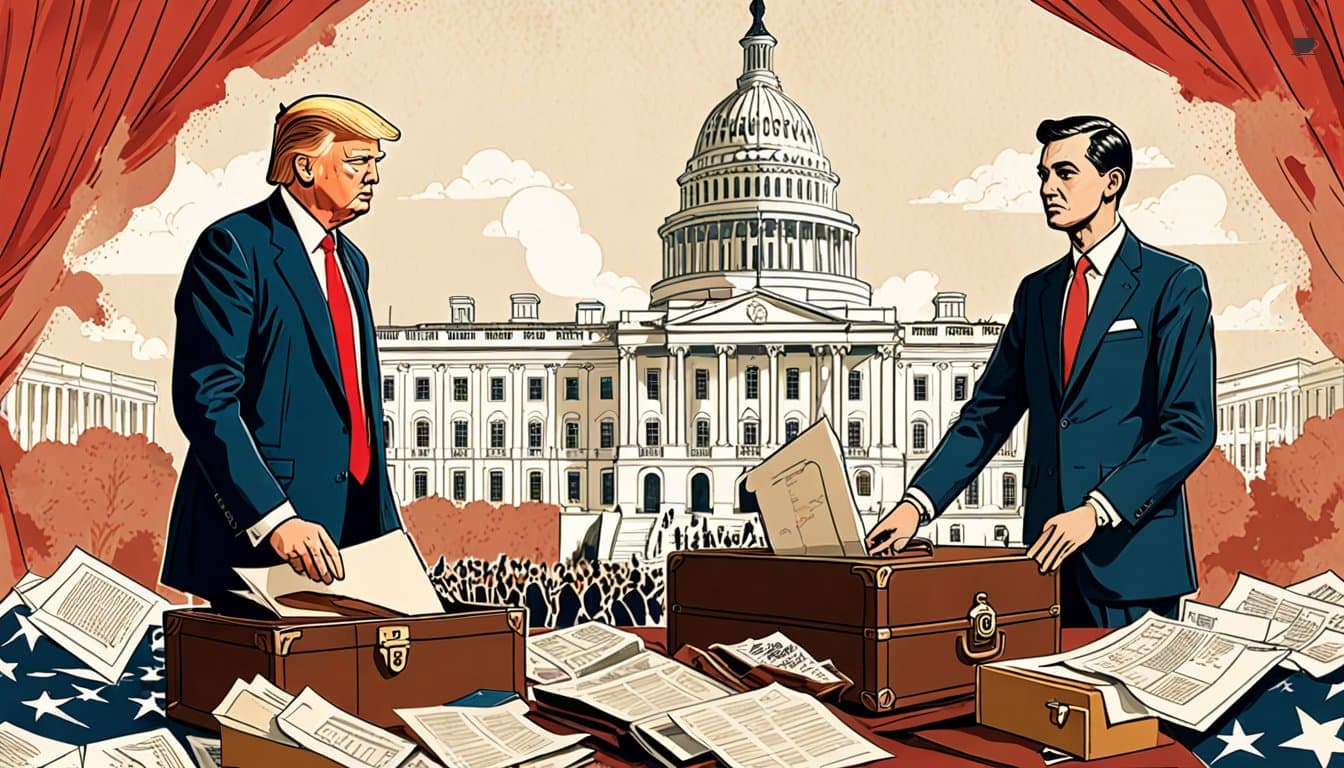
US State Department Fires Over 1,300 Employees Under Trump Administration Plan
Diplomats pack, protests rise
Global reach at stake
WASHINGTON — The US State Department implemented a sweeping reorganization plan on Friday, July 12, 2025, resulting in the termination of more than 1,300 employees. This move, part of the Trump administration's efforts to streamline the department, has sparked controversy and raised concerns about America's global diplomatic presence [1][2][3][4].
According to a senior department official speaking on condition of anonymity, layoff notices were sent to 1,107 civil servants and 246 foreign service officers with assignments in the United States [1]. The notices stated that positions were being 'abolished,' and affected employees would lose access to State Department headquarters in Washington, as well as their email and shared drives by 5 p.m. on the same day [2].
President Trump and Secretary of State Marco Rubio have praised the reorganization as a necessary step to streamline the department's operations. However, the move has faced significant criticism from diplomats and foreign policy experts who argue that it will weaken America's global leadership and diplomatic capabilities [1][2][3].
As terminated employees cleared out their offices, a protest unfolded outside the State Department headquarters. Dozens of former colleagues, ambassadors, members of Congress, and others gathered in the warm, humid weather, holding signs that read 'Thank you to America's diplomats' and 'We all deserve better.' The demonstrators expressed concern over the institutional loss and its potential impact on US foreign policy [1][2][3].
Critics of the reorganization plan argue that the mass layoffs will significantly hamper America's ability to counter threats abroad and maintain its diplomatic influence. The sudden loss of over 1,300 experienced personnel is expected to create substantial gaps in expertise and institutional knowledge within the State Department [1][2][3][4].
The impact of these layoffs on ongoing diplomatic initiatives and international relationships remains to be seen. As the State Department adapts to this significant reduction in workforce, questions arise about the United States' capacity to engage effectively in complex global issues and maintain its leadership role on the world stage [1][2][3][4].
This development comes at a time of increasing global challenges, including rising tensions with China, ongoing conflicts in various regions, and the need for international cooperation on issues such as climate change and pandemic preparedness. The reorganization's long-term effects on US foreign policy and global influence will likely be a subject of intense debate in the coming months [1][2][3][4].