The Ongoing Debate on Religion in Public Schools: A Century After the Scopes Trial
Ten Commandments in classrooms
Faith and law collide
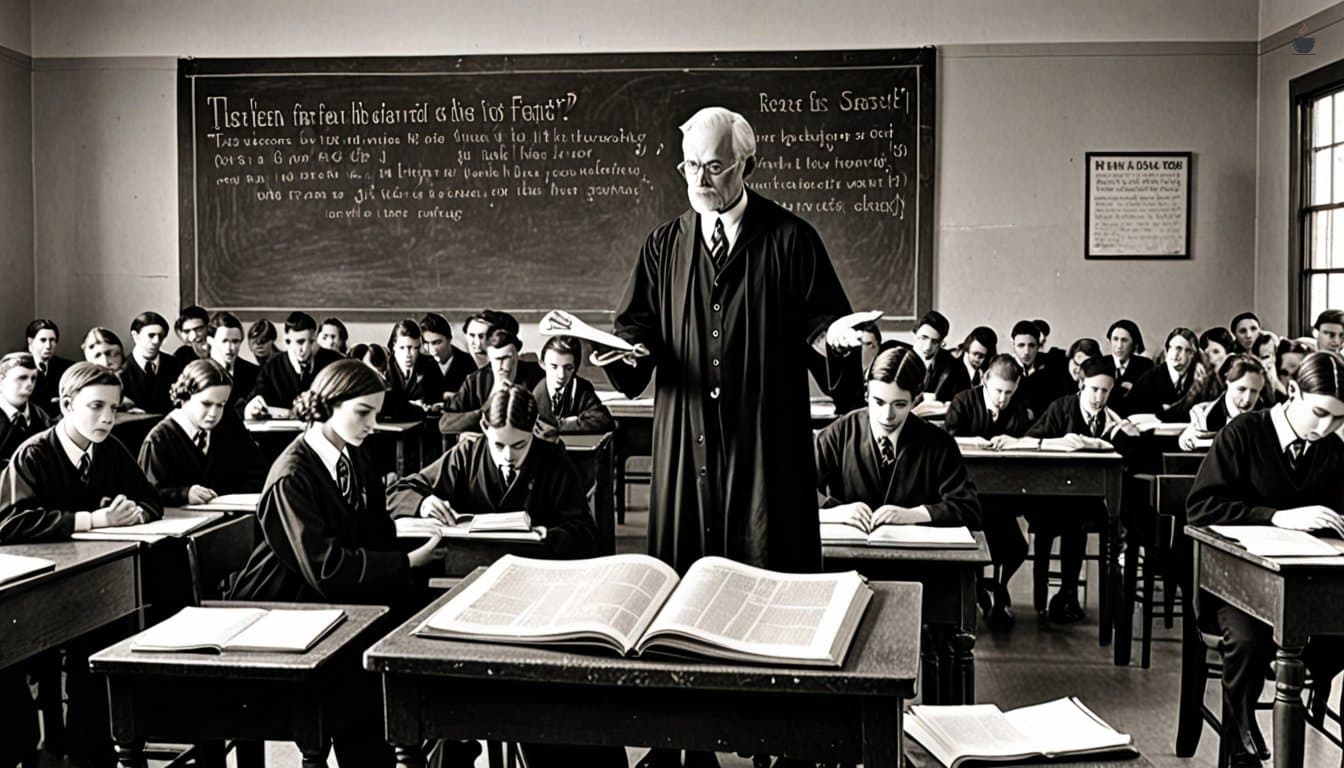
NASHVILLE, Tenn. - A century after the infamous Scopes 'Monkey Trial' in Dayton, Tennessee, the United States continues to grapple with the role of religion in public schools. The landmark case, which saw a high school teacher convicted for teaching evolution, remains a touchstone in the ongoing cultural and legal battles surrounding the separation of church and state [1][2].
'This is a broad-based culture war of which the Scopes trial is just one place lightning struck,' explains James Hudnut-Beumler, professor of American religious history at Vanderbilt University in Nashville, Tennessee [1][2][3].
The reverberations of the Scopes trial are still felt today, as evidenced by recent legal challenges to state laws mandating the display of the Ten Commandments in public school classrooms. These laws have reignited debates about the First Amendment and the principle of separation between church and state [2][5].
'We are fighting on an almost daily basis,' says Robert Tuttle, a religion and law professor at George Washington University Law School in Washington, D.C., highlighting the persistent nature of these conflicts [2].
The current legal battles reflect the enduring tension between religious expression and secular education in American public schools. Proponents of the Ten Commandments displays argue for their historical and moral significance, while opponents contend that such measures violate the Establishment Clause of the First Amendment [5].
Scholars and legal experts continue to debate the merits of these measures. Those in favor often cite the cultural and historical importance of religious texts, while critics argue that such displays amount to government endorsement of religion, which is prohibited by the Constitution [5].
As the nation marks the centennial of the Scopes trial, it's clear that the fundamental questions it raised about the place of religion in public education remain unresolved. The ongoing legal challenges and cultural debates underscore the complexity of balancing religious freedom, educational standards, and constitutional principles in an increasingly diverse society [1][2][3][4][5].
The persistence of this debate, a century after Scopes, demonstrates that the intersection of religion, education, and law continues to be a defining feature of America's cultural landscape. As new challenges arise, the nation's courts, legislators, and citizens will continue to grapple with these fundamental questions of faith, science, and the role of religion in public life [1][2][3][4][5].