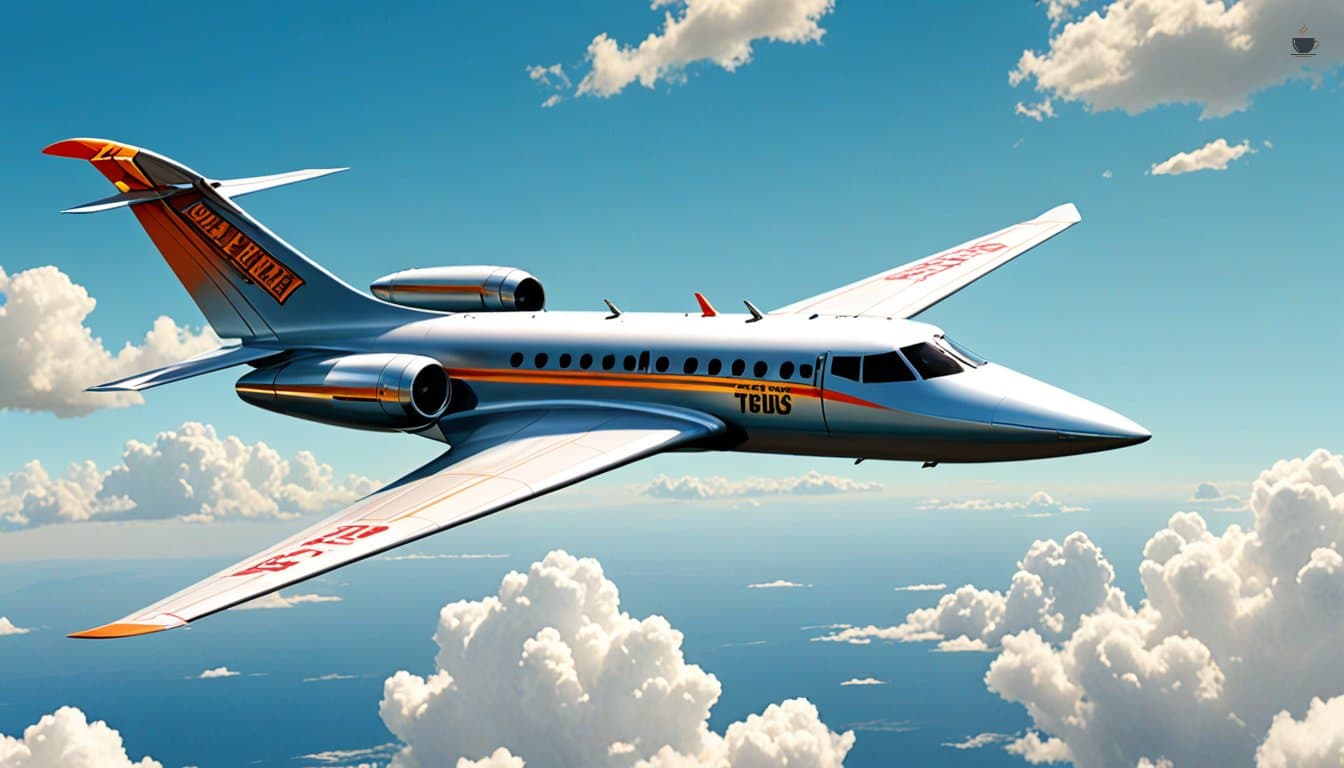
Blended-Wing Body Aircraft: A Revolutionary Design Poised to Transform Air Travel
Fuel efficiency soars high,
Air travel transformed
In a significant development for the aviation industry, blended-wing body (BWB) aircraft designs are making a comeback, promising to revolutionize air travel with improved fuel efficiency, reduced costs, and enhanced passenger comfort [1][2][3]. As airlines face increasing pressure to meet net-zero carbon emission targets by 2050, these innovative aircraft designs are garnering renewed attention from industry players and experts alike.
Natilus, an emerging player in the aviation sector, is at the forefront of this technological resurgence. The company's Horizon aircraft, a BWB design, boasts impressive specifications that could potentially rival current commercial jets. With a range of 3,500 nautical miles (6,482 kilometers) and a passenger capacity of up to 196, the Horizon is comparable to the widely-used Boeing 737-800 [1][2][3].
However, it's the Horizon's efficiency metrics that are truly turning heads in the industry. According to Natilus, their BWB aircraft is expected to reduce operating costs by a staggering 50 percent and weigh 25 percent less than conventional jets [1][2][3]. These figures underscore the potential of BWB designs to significantly impact airline economics and environmental sustainability.
"Blended-wing body aircraft outperform traditional tube-and-wing aircraft in the areas of efficiency, performance, and environmental impact," states Natilus, highlighting the multifaceted benefits of this design approach [1][2][3].
Another key player in this space is JetZero, which is also developing BWB aircraft with a focus on meeting future aviation needs. The resurgence of interest in BWB designs comes after decades of the industry favoring the 'tube and wing' configuration popularized by Boeing and Airbus [1][2][3].
Despite the promising outlook, the path to widespread adoption of BWB aircraft is not without challenges. Regulatory approvals and addressing stability issues inherent to the design are significant hurdles that companies like Natilus and JetZero must overcome [1][2][3].
As the aviation industry continues to evolve, the potential benefits of BWB aircraft - including improved fuel efficiency, cost-effectiveness, and passenger comfort - position this innovative design as a transformative force in air travel. The coming years will likely see increased development and testing of these aircraft, potentially reshaping the future of aviation [1][2][3].