Kenyan President Orders Police to Shoot Protesters in Legs as Death Toll Rises to 31
Ruto's order echoes loud
Thirty-one lives lost
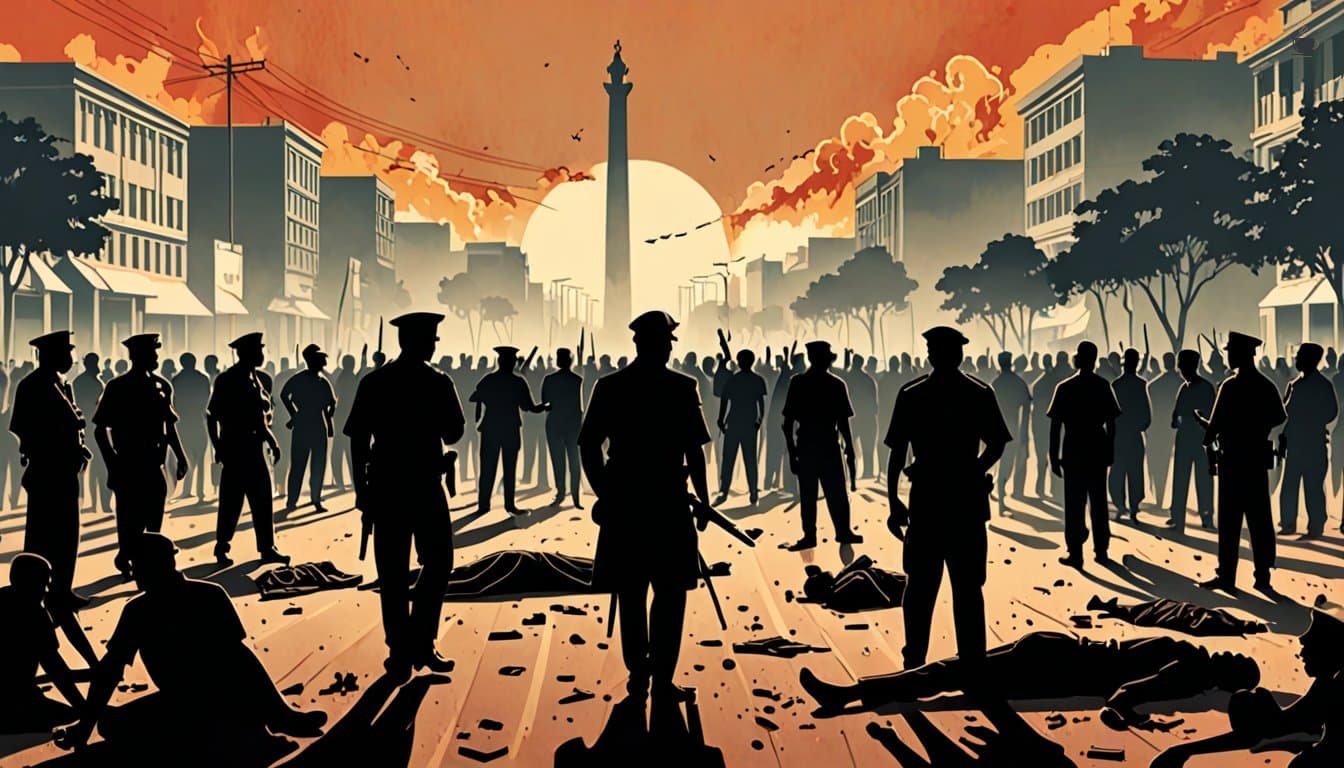
NAIROBI, Kenya - President William Ruto has directed Kenyan police to shoot protesters in the legs to incapacitate them, following a sharp rise in the death toll from nationwide anti-government protests [1][2]. The Kenya National Commission on Human Rights reported that at least 31 people were killed on Monday, marking the highest single-day death toll since the demonstrations began earlier this year [13][16].
Speaking in Nairobi on Wednesday, President Ruto stated, "Anyone who goes to burn other people's property, someone like that should be shot in the leg, and go to the hospital on his way to court. They shouldn't kill the person but they should hit the legs to break them." [3][4]
The protests, largely led by Gen Z youth, are fueled by economic stagnation, allegations of corruption, and concerns over police brutality [2][5]. Demonstrators have been calling for government accountability and Ruto's resignation over the rising cost of living [15][20].
The United Nations and human rights organizations have condemned the excessive use of force by police. UN High Commissioner for Human Rights Volker Türk urged Kenyan authorities to address the root causes of the protests and called for calm and restraint [16][18].
President Ruto accused protesters of attempting to "overthrow" the government through "unconstitutional means" [9][10]. He warned, "This country will not be destroyed by a few people who are impatient and who want a change of government using unconstitutional means. It is not going to happen." [2]
The protests coincided with Saba Saba Day, which commemorates the start of Kenya's multiparty democracy movement in 1990 [19]. The recent unrest has raised concerns about Kenya's political stability and economic outlook, with analysts warning that persistent economic hardship and allegations of police violence could challenge Ruto's re-election ambitions in 2027 [15].
As tensions continue to escalate, the international community watches closely, urging for dialogue and peaceful resolution to address the grievances of the Kenyan people [21][22].