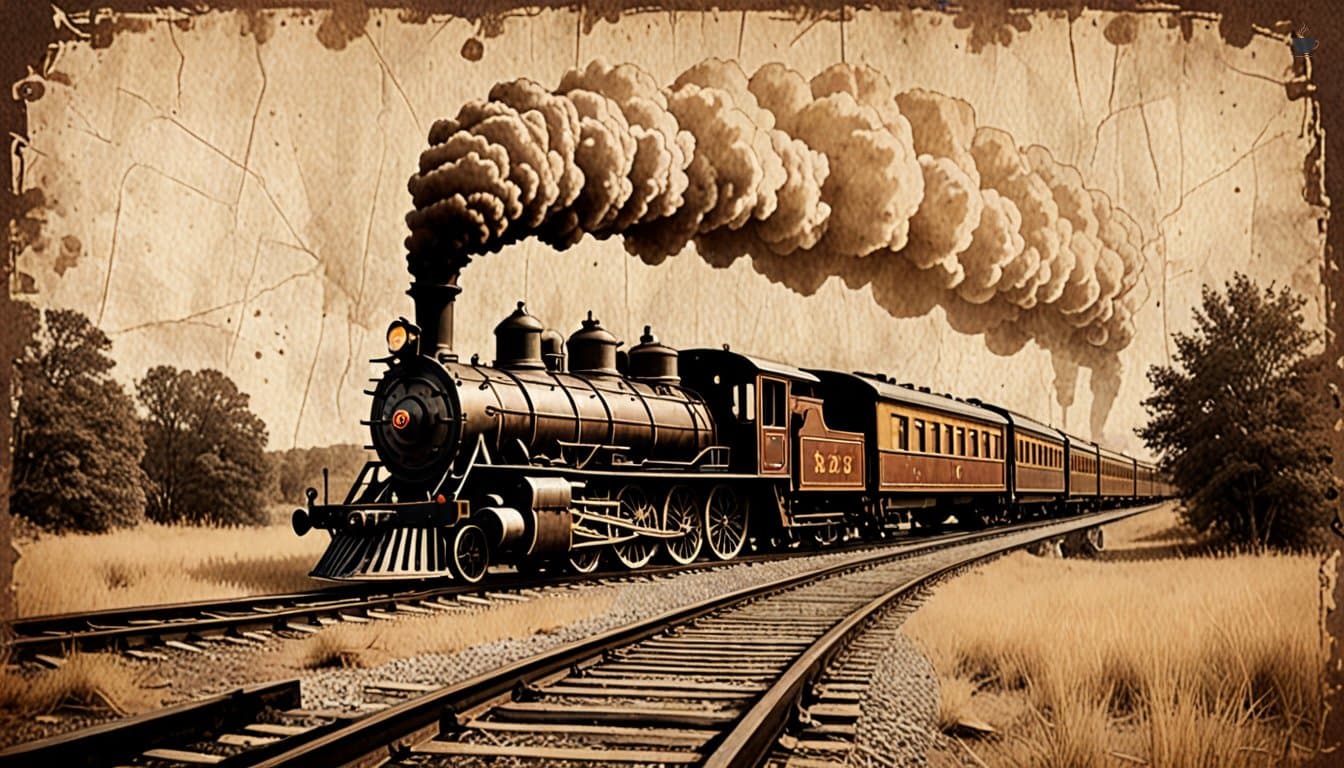
King Charles Approves Decommissioning of Royal Train After 150 Years of Service
Tradition yields to progress
Farewell, regal ride
Buckingham Palace has announced the decommissioning of the Royal Train, marking the end of a 150-year tradition in British monarchy [1][2]. The decision, approved by King Charles III, comes as part of a cost-cutting measure and modernization effort within the royal household [3].
According to the annual royal accounts, the train has seen limited use in recent times. James Chalmers, Keeper of the Privy Purse, revealed that the Royal Train was only used twice for official engagements in the past financial year, at a cost of £77,969 [1][2].
The primary factors driving this decision include:
Annual upkeep costs estimated to reach £1.2 million Escalating renovation expenses for the nine 1980s carriages The royal family's increasing preference for two new helicopters for travel [1][2]Chalmers described the move as an example of the royal household applying 'fiscal discipline' in its drive to deliver 'value for money' [3]. The decommissioning process is set to begin later this year, with the train officially going out of service before March 2027 [1][2].
As a farewell gesture, the Royal Train will embark on a 'fond farewell' tour of the country before being retired to a museum [1][2]. This tour will give the public a final opportunity to see this iconic piece of royal history.
The Royal Train has been a significant part of the monarchy's travel arrangements for over a century. It features a carriage created for then-Prince Charles in the mid-1980s, which he continued to use after ascending to the throne [3].
While the decommissioning marks the end of an era, it also signifies the monarchy's adaptation to changing times and financial realities. The move aligns with broader efforts to modernize the monarchy and ensure its relevance in the 21st century.