Anti-Government Protests Escalate in Serbia, Kremlin Warns of Potential 'Colour Revolution'
Demonstrators demand change
Kremlin eyes unrest
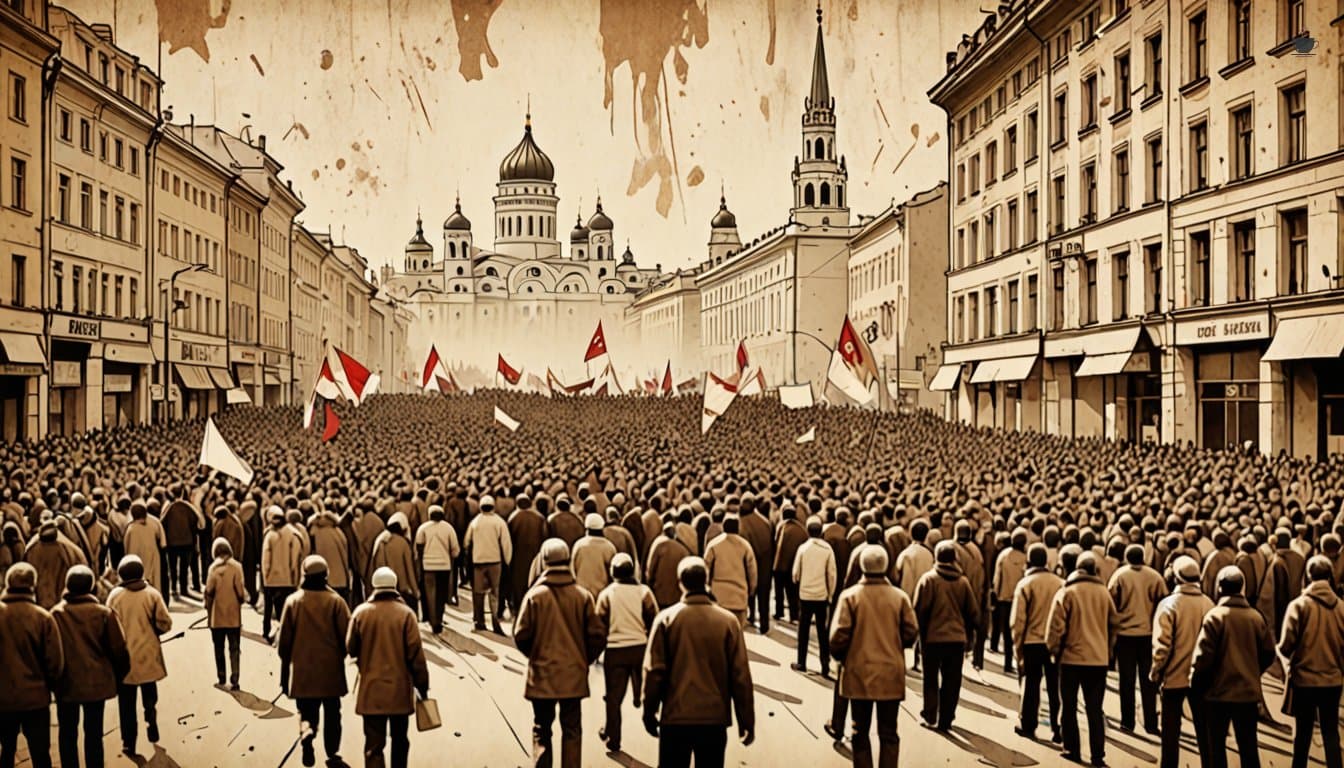
Tensions continue to rise in Serbia as anti-government protests intensify, with demonstrators blocking key roads in Belgrade and other cities across the country. The unrest, which began following a fatal train station accident in November, has now evolved into widespread calls for political change [5][9].
On Sunday, thousands of protesters erected barricades using metal fences and garbage containers at various locations in Belgrade and 17 other cities. The demonstrators blocked traffic at 24 points in the capital, including a key bridge over the Sava River [6][9].
The protests stem from a tragic incident on November 1, 2025, when a train station canopy collapsed in Novi Sad, killing 16 people. Many Serbians blame the disaster on corruption-fueled negligence in state infrastructure projects [5][6].
Protesters are demanding snap elections and an end to the 12-year rule of President Aleksandar Vucic. They have also called for the release of individuals detained during earlier protests on June 28-29 [9].
President Vucic has responded to the unrest, stating, "The government has done its job and will continue to do so every day." He characterized the protesters' actions as "a manifestation of impotence and anger" and accused them of lying about police violence [1].
The situation has drawn international attention, with the Kremlin expressing concern. Russian presidential spokesman Dmitry Peskov stated, "Despite the fact that Serbia is, of course, under unprecedented pressure - we cannot rule out that well-known methods are being used there to provoke colour revolutions." However, he added that the Kremlin is confident in the Serbian leadership's ability to restore order [2][3].
As tensions persist, Serbian police have begun removing street blockades in Belgrade and making new arrests. The exact number of detentions has not been specified [6][7].
The ongoing protests represent a significant challenge to Vucic's government and highlight growing discontent among Serbian citizens. As the situation develops, the international community will be closely watching for any potential escalation or resolution of the crisis.