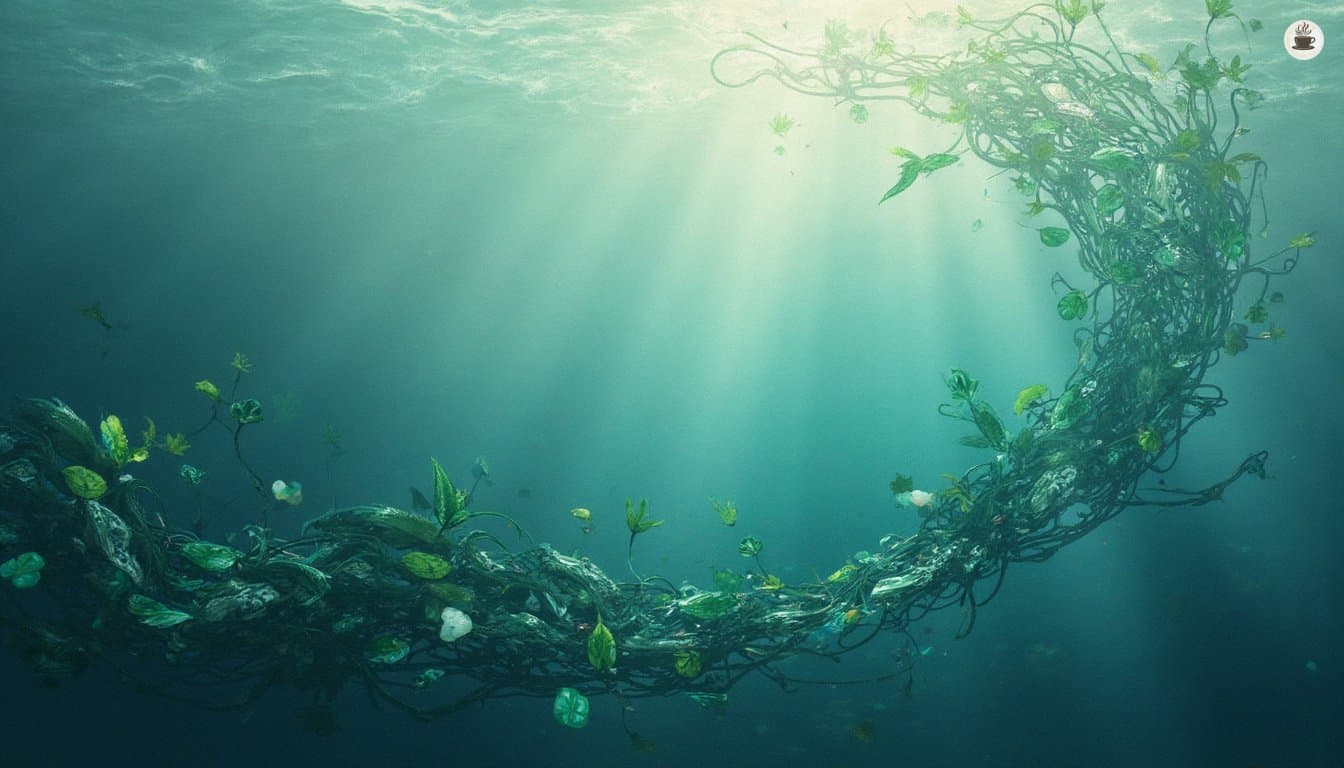
Earth Day 2025: Global Efforts to Address Microplastic Pollution from Clothing
Earth Day sparks new solutions
Oceans seek relief
As Earth Day 2025 approaches, a growing environmental concern is taking center stage: the shedding of microplastic fibers from everyday clothing. Synthetic fabrics, which make up about two-thirds of global fiber production, are releasing millions of plastic particles into waterways with each wash cycle [1][2].
Polyester, the most widely used fiber on Earth, along with other synthetic materials like acrylic and nylon, are woven into a vast array of garments from activewear to swimsuits [3]. When these clothes are worn, washed, and dried, they shed tiny plastic fragments that are too small for wastewater treatment plants to fully capture [4].
The environmental impact is significant. These microplastics end up in local waterways and eventually the ocean, where they are ingested by marine life. This contamination can then move up the food chain, potentially affecting larger animals and humans [5].
While natural fabrics also shed fibers and may contain harmful chemicals, the prevalence and persistence of synthetic materials in the environment have made them a particular focus of concern [6].
In response to this issue, various initiatives are being launched this Earth Day:
Clothing manufacturers are exploring new materials and production methods to reduce microfiber shedding [7]. Consumers are being encouraged to use special laundry bags and filters designed to capture microfibers during washing [8]. Researchers are developing more efficient wastewater treatment technologies to capture microplastics before they enter waterways [6]. Policymakers in some regions are considering regulations to address microfiber pollution from textiles [5].As awareness grows, experts emphasize the need for a multi-faceted approach involving industry innovation, consumer behavior changes, and policy interventions to tackle this pervasive form of plastic pollution [7][8].
This Earth Day serves as a reminder that environmental challenges often lurk in unexpected places – even in the clothes we wear daily. As the global community reflects on ways to reduce environmental impact, addressing microfiber pollution has emerged as a critical step towards healthier oceans and ecosystems [6][7].