Measles Outbreak in West Texas Linked to Underfunded Vaccine Programs, Raising Concerns Nationwide
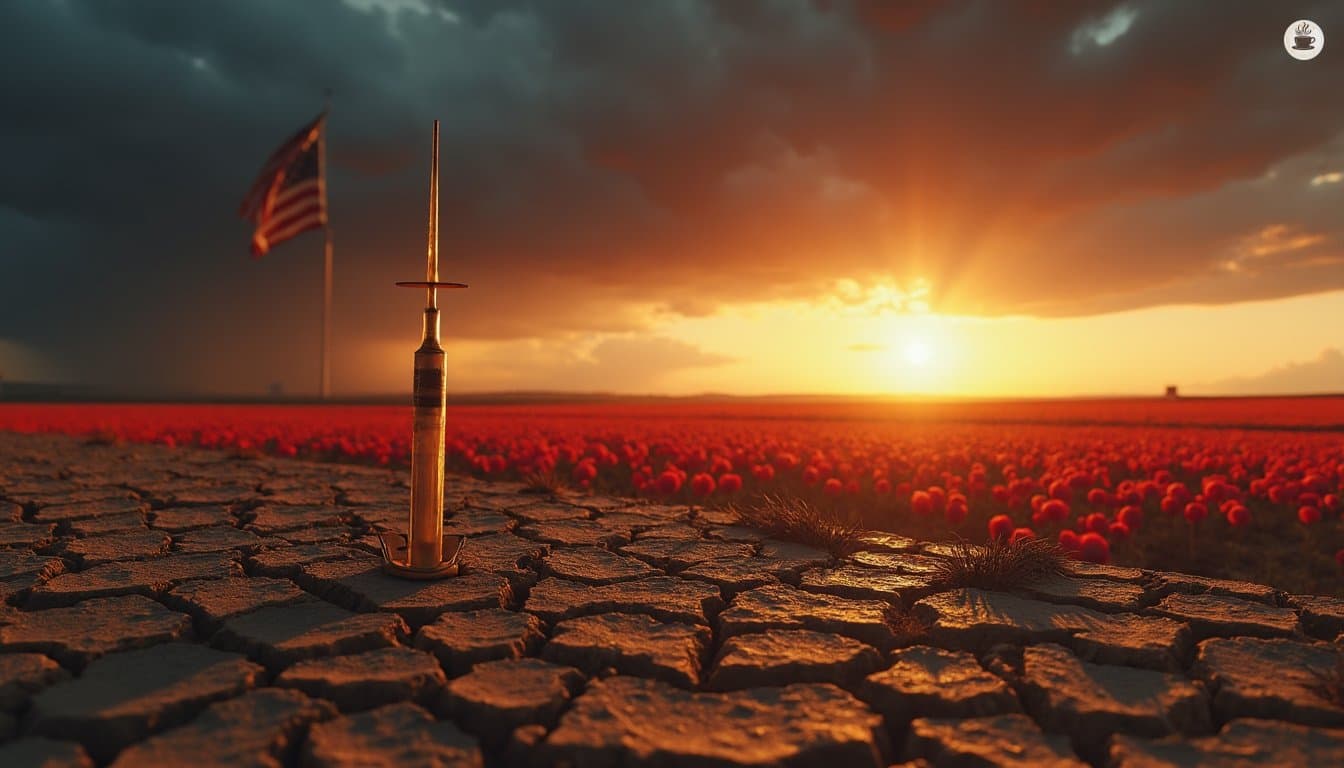
Vaccine funds dry, trust erodes
Nation's health at risk
A measles outbreak has swept through more than 20 counties in West Texas, highlighting the consequences of underfunded immunization programs and raising concerns about similar vulnerabilities across the United States [1][2][3].
The outbreak of this easily preventable disease, which was declared eliminated in the U.S. in 2000, has been attributed in part to years of stagnant funding for vaccine programs at federal, state, and local levels [1][2].
Katherine Wells, health director in Lubbock, Texas, stated, "We haven't had a strong immunization program that can really do a lot of boots-on-the-ground work for years" [1][2][3]. Lubbock is located about 90 minutes from the outbreak's epicenter.
The situation in Texas is not unique. Immunization programs nationwide have been weakened by years of inadequate funding, creating conditions that could lead to similar outbreaks in other states [1][2].
While health departments received additional funding to combat COVID-19, it was insufficient to compensate for years of neglect. Moreover, public trust in vaccines has eroded, further complicating efforts to prevent disease spread [1][2][3].
Recent federal budget cuts have exacerbated the problem. The Trump administration has pulled billions of dollars in COVID-19 related funding, including $2 billion earmarked for immunization programs targeting various diseases [3].
Health Secretary Robert F. Kennedy Jr. is overseeing these cuts, raising concerns among public health officials given his past statements on vaccines [3].
Compounding the issue, lawmakers in Texas and approximately two-thirds of other states have introduced legislation to limit vaccine requirements, potentially further weakening immunization efforts [3].
As the measles outbreak in West Texas continues to spread, health officials warn that without adequate funding and support for immunization programs, similar outbreaks could occur in other parts of the country, threatening public health on a national scale [1][2][3].