Ukraine Skeptical of Black Sea Ceasefire as Naval Advantage Grows
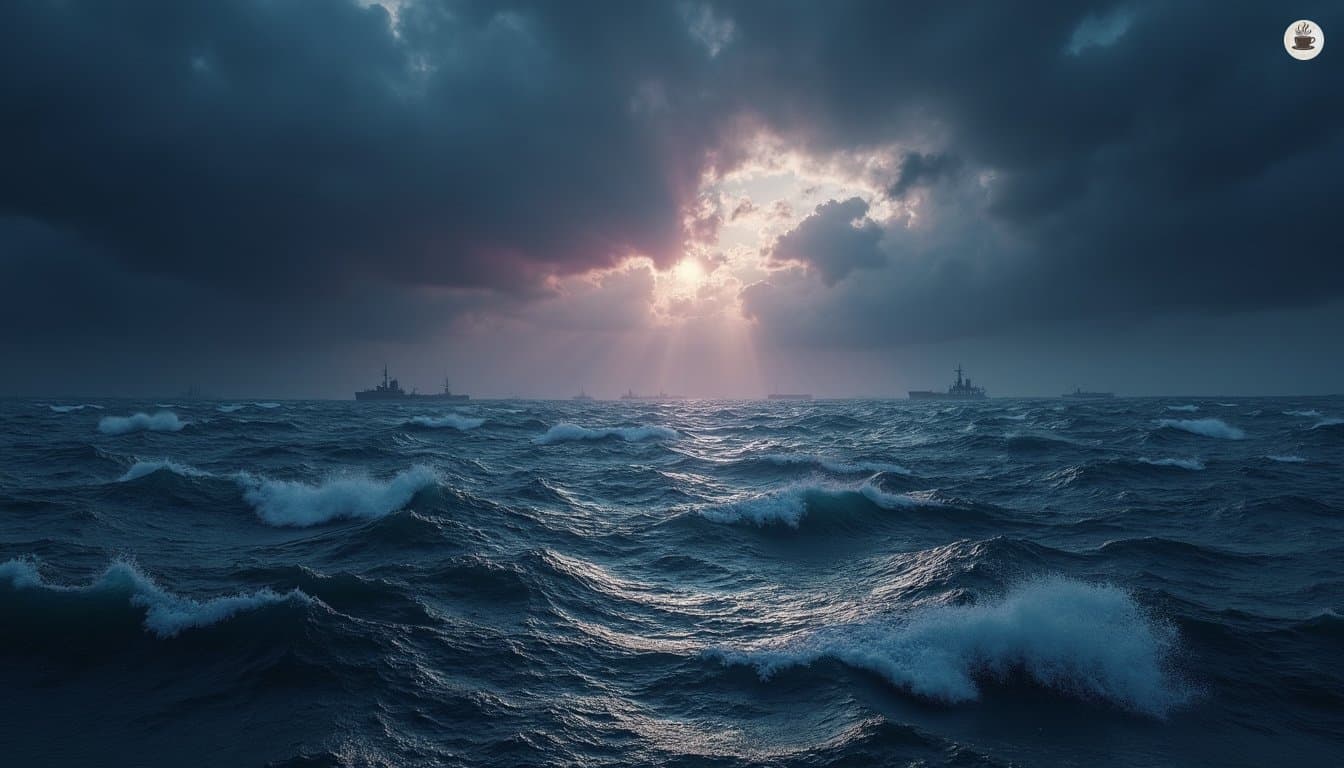
Ukraine's ships patrol with pride
Peace talks ebb and flow
ODESA, Ukraine - As negotiations for a Black Sea ceasefire between Ukraine and Russia continue, many in the Ukrainian port city of Odesa question the benefits of such an agreement. The talks, mediated by the United States, have yet to produce a concrete truce, with both sides still debating terms and conditions.
Ukraine's recent success in securing its coastal waters has led to skepticism about the need for a ceasefire. "I don't want a cease-fire," said Tariel Khajishvili, head of Ukrainian shipping agent Novik LLC. "The only side that wants a cease-fire is Russia because they no longer control the Black Sea." [1]
The Ukrainian Navy has effectively pushed Russian forces away from its shores, allowing commercial shipping to rebound to near pre-war levels. Last year, Ukraine exported 42 million metric tons of grain and oilseed, approximately 80% of its pre-war volume, according to data from Dragon Capital [1].
Captain Mykhailo, a 27-year-old Ukrainian Navy officer, described the current situation: "Big ship. Nice," as he observed a Panama-flagged vessel approaching a Ukrainian port [1]. His patrol boat, an Island-class vessel donated by the United States, now escorts commercial ships along a newly secured corridor.
Russia's conditions for a truce include lifting some Western economic sanctions and returning to a previous UN-backed deal that allowed Russian inspections of commercial ships leaving Ukrainian ports. These demands are considered non-starters for Kyiv [1] [2].
"Why should we make concessions now? We've effectively closed the Black Sea," stated Pavlo Palisa, a senior military adviser to Ukrainian President Volodymyr Zelensky [1].
The potential benefits of a ceasefire for Ukraine appear limited. Capt. Dmytro Pletenchuk, a Ukrainian Navy spokesman, explained, "For Ukraine, a cease-fire in the Black Sea primarily means stopping attacks on port infrastructure so that our grain corridor can operate without disruption." [1]
Meanwhile, Russia's stance remains firm. Deputy Foreign Minister Sergei Ryabkov stated that Russia cannot accept current US proposals to end the war, as they do not address Moscow's core concerns [2].
As negotiations continue, the situation in the Black Sea remains tense. Ukrainian forces continue to patrol their waters and defend against Russian drones and missiles, while commercial shipping cautiously resumes. The outcome of these talks could have significant implications for global food security and the broader geopolitical landscape.