US and UK Impose Sweeping Sanctions on Russia's Energy Sector as Biden Administration Concludes
Putin's war chest takes a hit
Power shifts ahead
The Biden administration, in coordination with the United Kingdom, announced on Friday its most significant sanctions package to date targeting Russia's energy sector, aiming to curtail Moscow's primary source of war funding just days before the presidential transition.
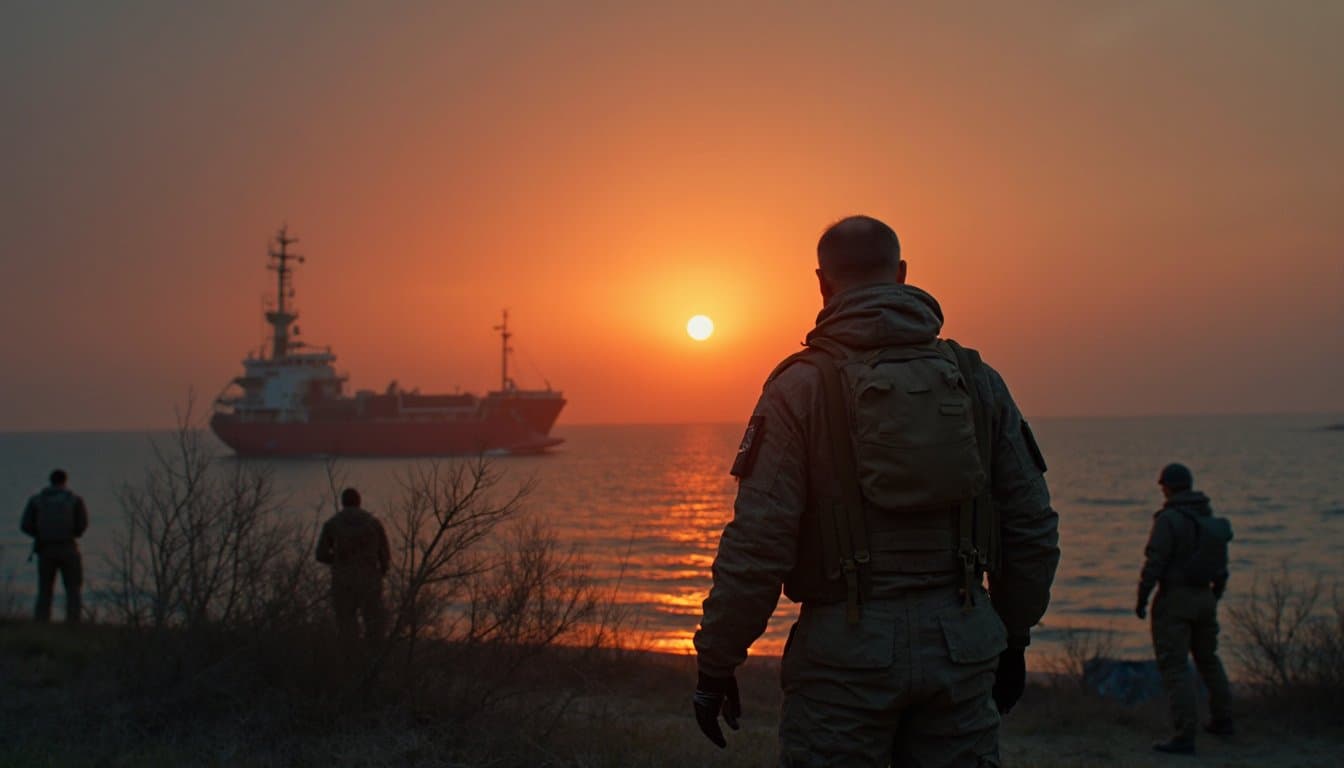
The sweeping measures target two major Russian oil producers - Gazprom Neft and Surgutneftegas - along with more than 180 vessels suspected to be part of Russia's 'shadow fleet' used to evade existing sanctions. The Treasury Department estimates these actions could cost the Russian economy billions of dollars per month.
'The United States is taking sweeping action against Russia's key source of revenue for funding its brutal and illegal war against Ukraine,' Treasury Secretary Janet Yellen stated. 'With today's actions, we are ratcheting up the sanctions risk associated with Russia's oil trade.'
The timing of these sanctions comes as both oil markets and the U.S. economy are in a stronger position, with global supplies expected to exceed demand and domestic gas prices having fallen significantly since the start of the conflict. Senior administration officials noted this economic context provided an opportunity to increase pressure on Russia's energy sector without risking major market disruptions.
The sanctions package includes:
Designation of 183 oil-carrying vessels in Russia's shadow fleetRestrictions on oil traders and oilfield service providersBlocking of two major LNG projects and a large Russian oil projectRemoval of certain exemptions for Russian bank transactions related to energyWhile the Biden administration designed these sanctions to provide additional leverage for negotiating peace in Ukraine, their enforcement will ultimately fall to President-elect Donald Trump's incoming administration. Trump, who has expressed interest in quickly ending the conflict, has not yet indicated whether he will maintain or modify these measures after taking office on January 20.
The Kremlin dismissed the new sanctions, with spokesman Dmitry Peskov suggesting they were intended to complicate matters for the incoming Trump administration. Should Trump move to roll back the sanctions, his administration would first need to notify Congress, which would have the ability to vote on any proposed changes.